Quality Control in Gold Jewelry Manufacturing | What Retailers Should Check Before Buying

Quality Control in Gold Jewelry Manufacturing | What Retailers Should Check Before Buying
Quality Control in Gold Jewelry Manufacturing: A Practical Guide for Retailers
Introduction: Why Quality Control Matters for Retailers
Quality control in gold jewelry manufacturing directly affects retailer credibility, product consistency, and long-term profitability. In competitive markets such as Dubai, where customers are familiar with purity standards and pricing transparency, even minor inconsistencies in weight, finishing, or durability can damage trust and increase return rates.
Retailers who understand how a gold factory quality control process operates are better equipped to evaluate suppliers and reduce operational risk. Quality management is not only a factory responsibility; it is also a retailer’s safeguard against batch variation, structural issues, and purity discrepancies.
This guide explains how professional factories manage quality and what retailers should check before placing bulk orders.
Retailers who prioritise quality control build stronger long-term supplier relationships.
Understanding the principles behind manufacturing standards allows buyers to move from reactive problem-solving to proactive supplier evaluation.
What Quality Control Means in Gold Jewelry Manufacturing
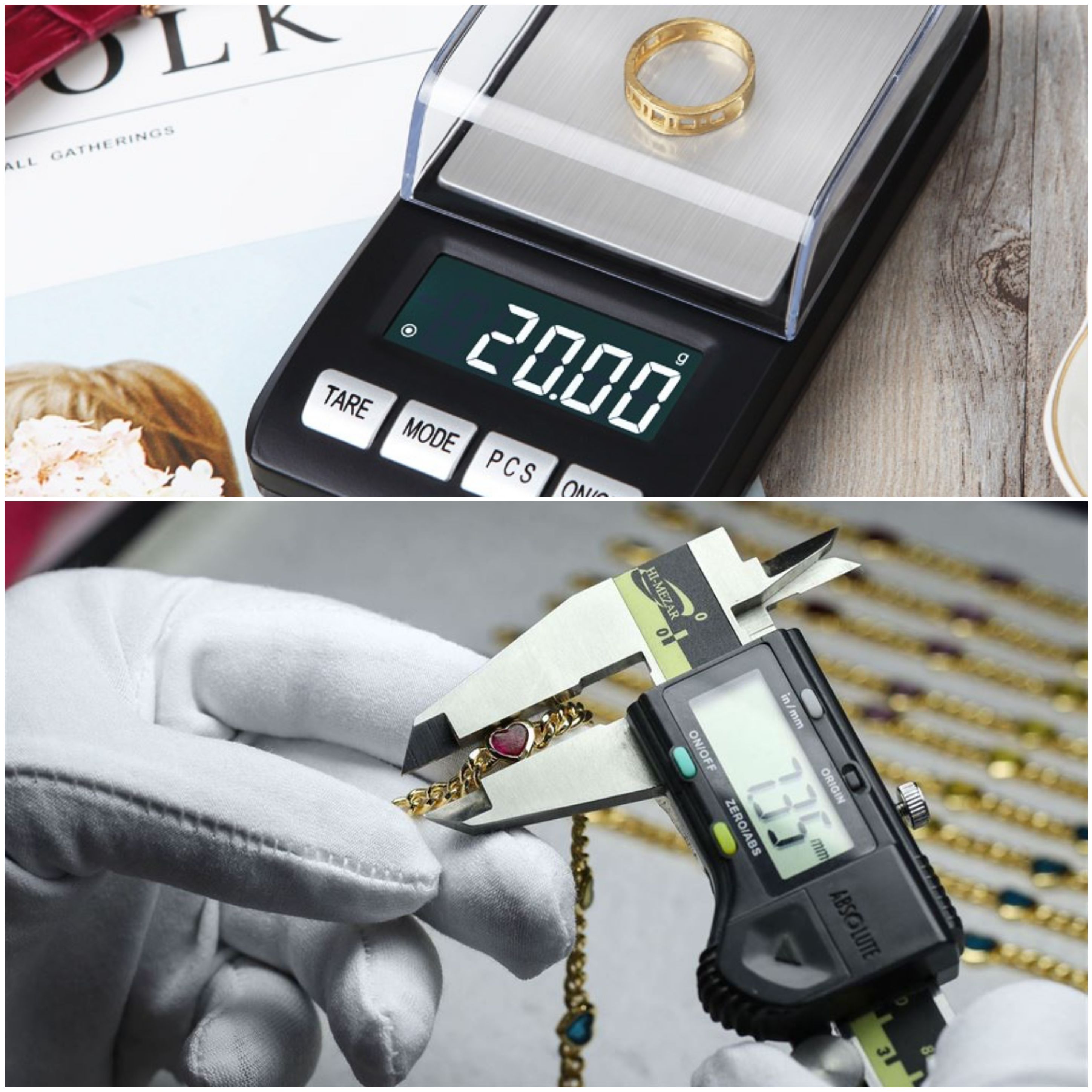
Quality control in gold jewelry manufacturing refers to a structured system of inspection, measurement, and verification applied throughout production. It ensures that every batch meets defined technical, purity, and durability standards.
Professional gold jewelry quality standards Dubai manufacturers follow are aligned with regulatory frameworks overseen by authorities such as the Dubai Municipality, which supervises hallmarking and metal compliance requirements in the UAE market.
Quality control is not a final-stage activity. It is integrated into casting, assembly, finishing, and final inspection.
Quality Beyond Appearance
Retailers sometimes equate quality with shine and surface finish. While appearance is important, it represents only one component of jewelry manufacturing quality check procedures.
Professional inspection includes:
· Dimensional accuracy
· Weight tolerance control
· Symmetry and alignment
· Consistency across production batches
Surface polish alone cannot compensate for structural weakness or inaccurate alloy composition.
Structural Integrity & Wearability
Gold jewellery must withstand daily wear. Structural integrity checks assess:
· Soldering strength at joints
· Clasp resistance and spring tension
· Stone-setting stability (where applicable)
· Chain link durability and flexibility
Factories conduct mechanical stress tests on clasps and joints to ensure reliability under normal usage conditions.
Weight and Karat Accuracy
Weight consistency is critical in wholesale trade. Minor gram differences across batches can significantly affect retailer margins.
Purity verification ensures 18K, 21K, or 22K compositions comply with defined alloy percentages. According to the World Gold Council, 18K gold contains 75% pure gold, 21K contains 87.5%, and 22K contains 91.6%, with the remainder composed of alloy metals for strength.
These technical standards form the foundation of professional gold factory quality control process systems.
With these fundamentals defined, retailers can better understand which specific checks matter before placing orders.
Key Quality Checks Retailers Should Understand

Retailers comparing suppliers should be familiar with several core inspection categories.
Weight Verification & Consistency Across Batches
Weight variation affects pricing transparency and profit forecasting. Professional factories operate with defined tolerance ranges per model. Digital precision scales calibrated to international measurement standards are used to confirm gram accuracy.
Retailers should:
· Request sample weight reports
· Compare repeat orders against previous batch averages
· Monitor deviations beyond acceptable tolerance
Consistent weight management reflects process control discipline.
Purity (18K / 21K / 22K) Confirmation
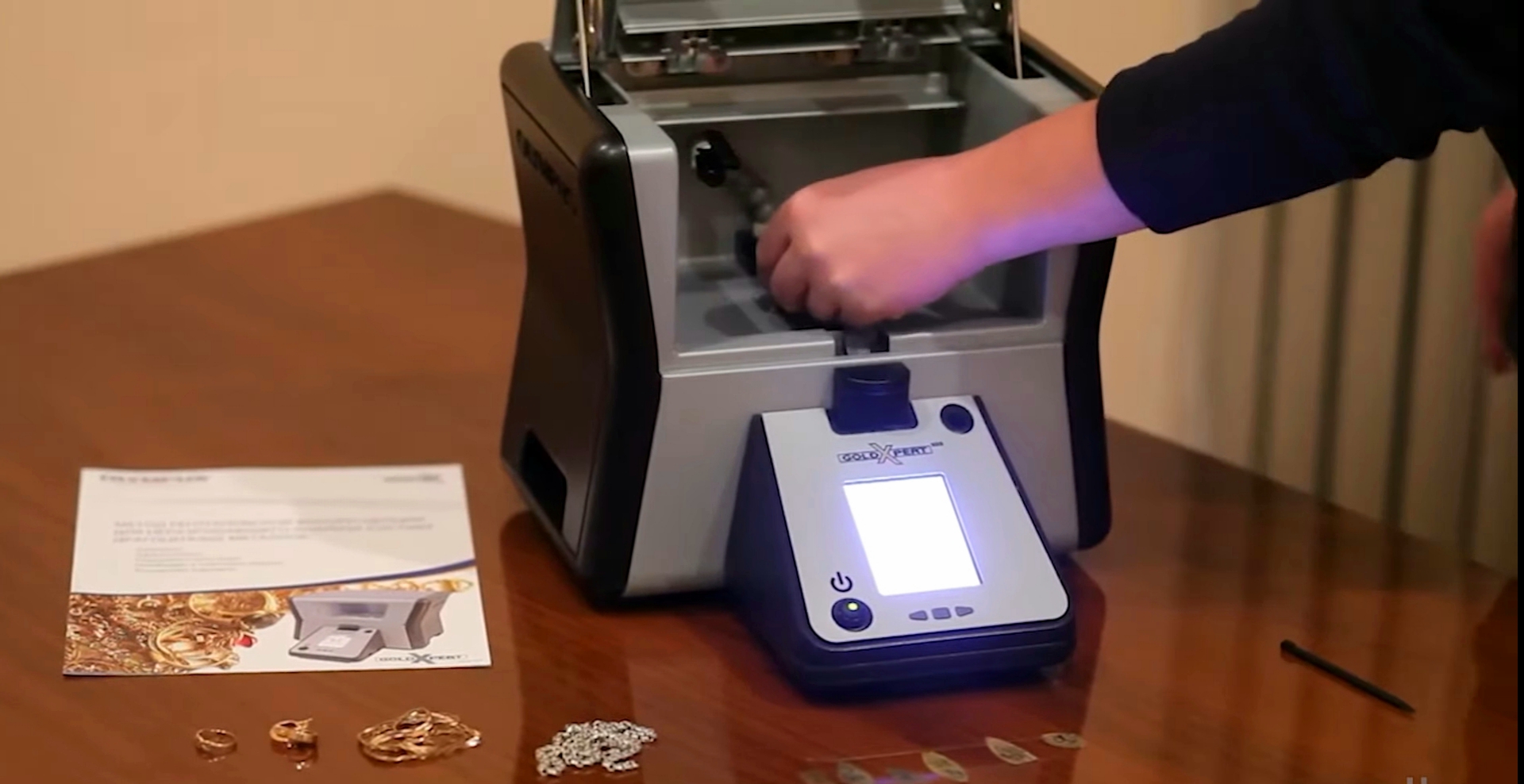
Gold jewelry quality standards Dubai retailers expect require clear karat confirmation. Factories verify alloy composition using XRF (X-ray fluorescence) analysis or laboratory assay testing.
Retailers may refer to internal guidelines such as Gold Purity Standards in the UAE | 18K vs 21K vs 22K Explained for Retailers when assessing supplier documentation.
Purity documentation should match invoice descriptions and hallmark stamps.
Surface Finish & Polishing Standards
Surface inspection checks for:
· Scratches
· Porosity marks
· Uneven polishing
· Residual casting lines
Uniform finishing indicates controlled polishing processes rather than aggressive manual correction.
Clasp & Mechanical Component Testing
Mechanical components require function testing. Factories open and close clasps repeatedly to assess spring durability and locking reliability.
Retailers should test random pieces from bulk orders to verify:
· Smooth clasp movement
· Proper alignment
· Secure locking tension
Understanding these checks clarifies how to check gold jewelry quality before bulk purchase decisions are finalized.
Once retailers understand what to inspect externally, it becomes equally important to understand how quality is monitored internally during production.
Quality Control During the Production Process
A professional gold factory quality control process is structured across multiple stages rather than relying on final inspection alone.
Inspection After Casting
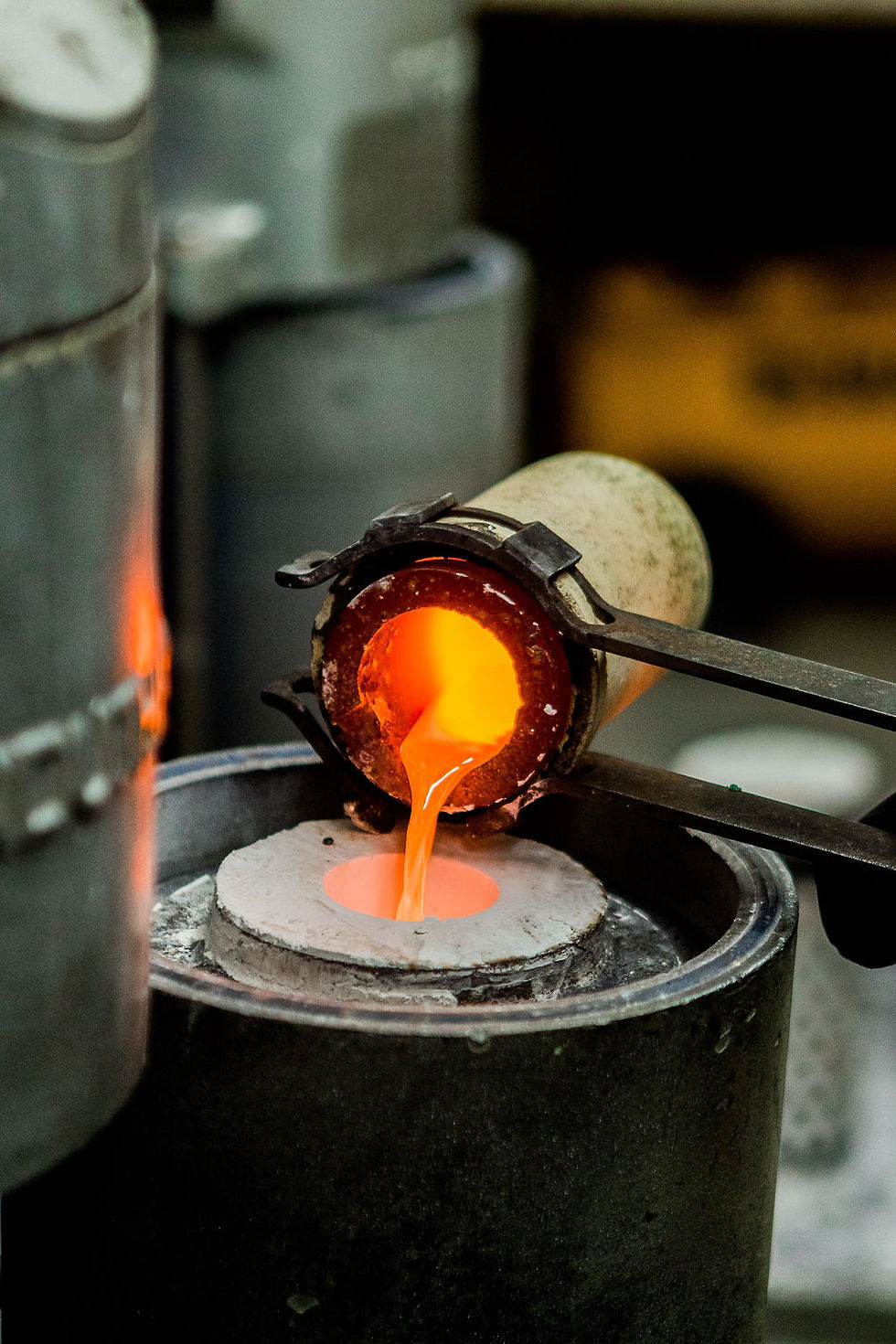
Post-casting inspection identifies:
· Porosity
· Air bubbles
· Incomplete mould filling
· Alloy irregularities
Defective castings are separated before assembly begins.
Inspection During Assembly & Soldering

During soldering, technicians inspect joint strength and alignment. Weak solder points are reinforced or rejected before polishing.
At this stage, weight monitoring ensures added solder does not distort final gram targets beyond tolerance limits.
Retailers interested in deeper operational structure may consult Inside the Factory: Understanding Gold Jewelry Manufacturing Processes for broader context on production sequencing.
Final Inspection Before Packaging
Final inspection includes:
· Weight re-verification
· Surface re-check
· Functional testing
· Karat stamp confirmation
Only pieces meeting documented criteria proceed to packaging.
This staged approach reduces the risk of defective products reaching retailers and reinforces manufacturing accountability.
However, even structured systems can encounter recurring issues if processes are not standardized.
Common Quality Issues Retailers Should Watch For
Retailers comparing suppliers in Dubai should remain attentive to recurring production weaknesses.
Inconsistent Weight Between Orders
Weight discrepancies across repeat orders may indicate inconsistent casting control or alloy mixing variations.
Retailers should maintain internal batch records to detect long-term trends.
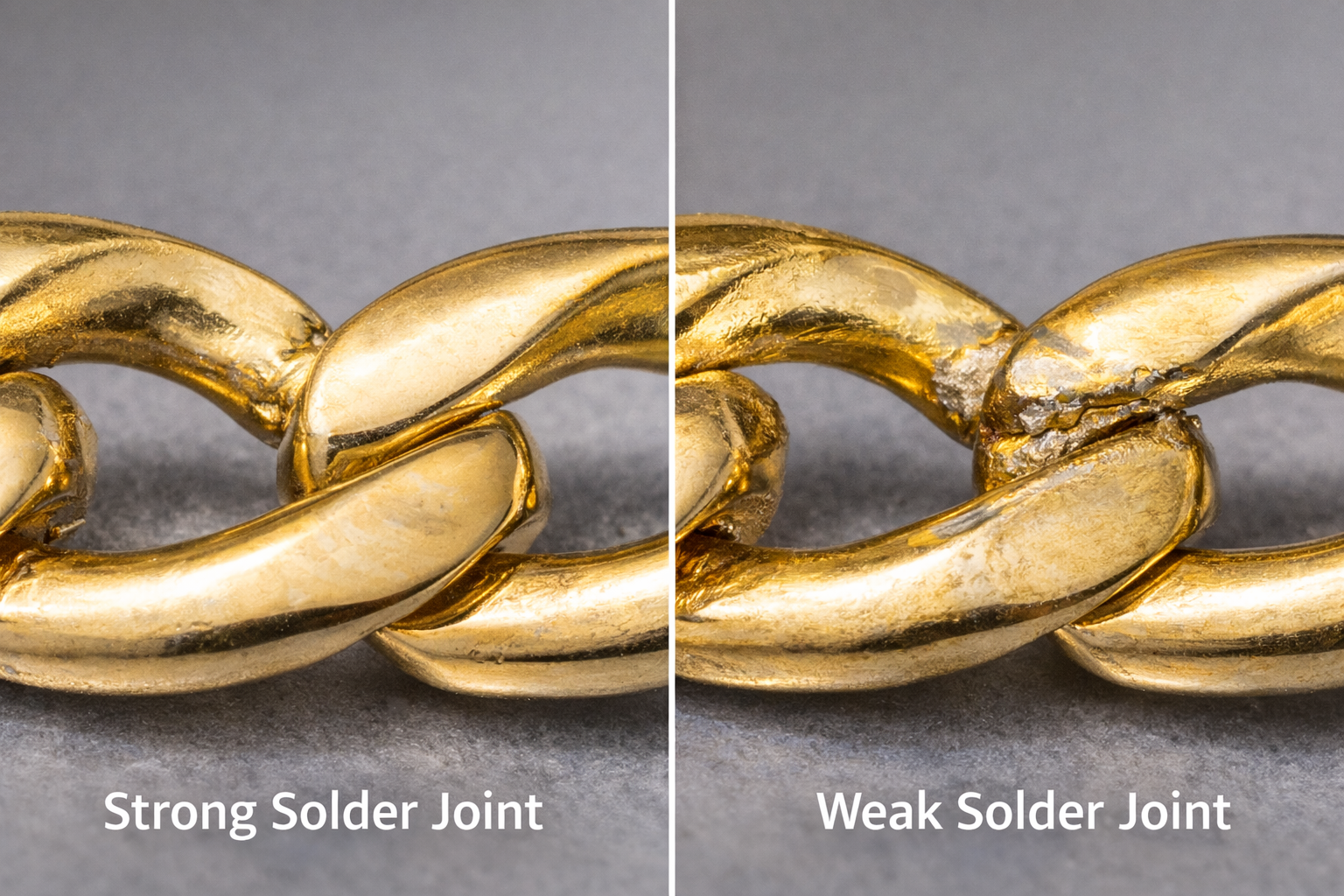
Weak Soldering Points
Weak joints commonly appear in chains and bangles subjected to repeated stress. Signs include visible seam lines or minor movement at connection points.
Early detection prevents future breakage complaints.
Surface Imperfections
Surface porosity or micro-scratches may indicate rushed finishing or inadequate pre-polishing preparation.
Retailers should inspect under magnification to identify minor defects.
Over-Polishing or Structural Thinning
Excessive polishing may reduce structural thickness, particularly on hollow or lightweight designs.
Thinning weakens durability and affects weight consistency.
Recognising these risks enables retailers to evaluate how seriously a manufacturer applies jewelry manufacturing quality check procedures.
This evaluation leads naturally to the broader question of supplier reliability.
Why Working with a Professional Factory Reduces Quality Risks

Professional factories operate under documented quality management systems, reducing dependency on individual craftsmanship alone.
Standardized processes ensure:
· Consistent alloy mixing ratios
· Defined weight tolerance ranges
· Documented inspection checkpoints
· Batch tracking for traceability
Experienced QC teams maintain records that support repeat-order consistency.
Working directly with a manufacturer rather than multiple intermediaries simplifies accountability and communication.
Retailers seeking structured gold jewelry quality standards Dubai compliance may review our manufacturing standards on the Golden Lake manufacturer page to understand our documented processes.
Discuss your quality expectations with our production team to align specifications before confirming bulk orders.
Clear communication at the beginning of cooperation reduces misunderstandings and strengthens long-term partnerships.
To address practical concerns, the following section answers common retailer questions.
FAQ: Quality Control in Gold Jewelry Manufacturing
How do factories ensure consistent gold purity?
Factories use controlled alloy mixing ratios and verify composition using XRF analysis or laboratory assay testing.
Can retailers request additional quality checks?
Yes. Retailers may request random batch testing, additional weight reports, or purity verification documentation.
How can I verify weight accuracy?
Use calibrated precision scales and compare received pieces with documented weight specifications.
What should I inspect during a first order?
Inspect weight consistency, solder strength, surface finishing, and clasp functionality across random samples.
Do manufacturers test products before delivery?
Professional factories conduct final-stage inspections including weight, surface, and mechanical testing before packaging.
Clear answers to these questions support informed purchasing decisions.
Final Call to Action

If you are a retailer seeking a professional gold jewelry manufacturer in Dubai that prioritises quality control in gold jewelry manufacturing, our team at Golden Lake is available to discuss production standards in detail.
We welcome:
· Quality specification discussions
· Sample evaluations
· Bulk production inquiries
Contact us today:
📲 Contact our wholesale team on WhatsApp
📩 Request the full wholesale catalogue
📞 Speak directly with our B2B team
Structured processes, transparent documentation, and consisten tbatch control support long-term retail success.